Leluhur: A Handwritten Font for Strategic Design and Meaningful Communication
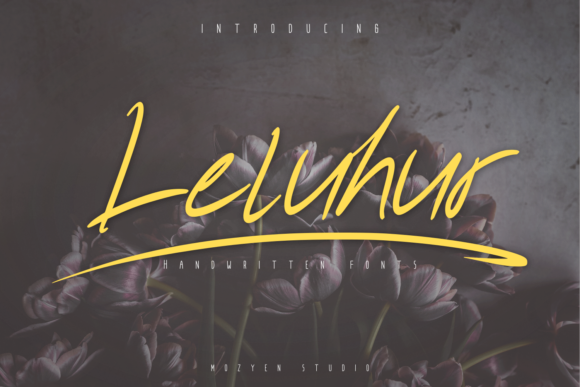
For professionals and creatives seeking a unique visual identity, Leluhur offers more than just aesthetic appeal. This flowing, lovely handwritten font is ideal for projects that require a personal, authentic touch. Whether you're designing wedding invitations, business cards, or branding materials, Leluhur provides a versatile tool to elevate your work with its smooth lines, elegant glyphs, and varying baseline.
Unlike many fonts that prioritize uniformity, Leluhur embraces the natural irregularities of handwriting. This makes it particularly effective in situations where a human element is desired. Its PUA encoding ensures easy access to all glyphs and swashes, allowing designers to maximize its potential without technical limitations.
Strategic Use of Leluhur in Branding and Communication
When used intentionally, Leluhur can enhance the emotional resonance of your designs. For instance, in branding, a handwritten font can convey approachability and warmth, which are critical for building trust with your audience. This is especially relevant for small businesses, startups, or service-oriented brands aiming to establish a personal connection with their customers.
Consider how Leluhur might support your communication goals. If you're creating a thank-you card for clients, using this font can make the message feel more genuine and thoughtful. Similarly, in marketing materials, it can add a touch of sophistication without appearing too formal. The key is to align its use with your brand's voice and values.
For entrepreneurs and marketers, Leluhur can be a strategic asset in differentiating their offerings. In a saturated market, a distinctive visual style can help stand out. By incorporating Leluhur into logos, social media graphics, or email templates, you create a cohesive look that reinforces brand recognition and recall.
When and How to Apply Leluhur Effectively
The best time to use Leluhur is when you want to emphasize authenticity, creativity, or a personal touch. It works well in design projects that benefit from a softer, more organic feel. For example, in educational materials, it can make content more engaging and less rigid. In creative industries like graphic design or illustration, it adds a unique flair that sets your work apart.
Before relying on Leluhur, consider the context and audience. While it’s visually appealing, it may not be suitable for every project. In formal settings, such as legal documents or corporate reports, a more structured font might be more appropriate. However, in casual or artistic contexts, Leluhur can bring a sense of personality and individuality.
Planning is essential. Start by identifying where Leluhur would add value. Ask yourself: Does this project need a human element? Will it resonate with the target audience? If the answer is yes, then integrating Leluhur could be a smart move. Experiment with different sizes, spacing, and color combinations to find what works best for your specific needs.
Practical Examples of Leluhur in Action
Imagine you’re launching a boutique that sells handmade jewelry. Using Leluhur in your logo and packaging can reinforce the artisanal nature of your products. It conveys craftsmanship and care, which are important selling points for your target audience. Similarly, if you’re creating a quote poster for a wellness blog, Leluhur can make the message feel more intimate and heartfelt.
Another scenario involves event planning. Wedding invitations often require a delicate balance of elegance and emotion. Leluhur can provide that perfect blend, making the invitation feel more personal and meaningful. It also works well for thank-you cards, birthday cards, or any design that benefits from a warm, handwritten feel.
For educators or content creators, Leluhur can be used in lesson plans, worksheets, or digital presentations. It can make learning materials more engaging and less intimidating, especially for younger audiences. When paired with clear typography for body text, it adds visual interest without compromising readability.
Risks of Using Leluhur Without Clear Intent
While Leluhur is a powerful tool, using it without a clear purpose can lead to confusion or inconsistency. Overuse or improper application may dilute its impact and make your design appear unprofessional. For example, using it in a large block of text could reduce legibility, especially for readers who are not accustomed to handwritten fonts.
Additionally, if your brand’s identity relies on a modern or minimalist aesthetic, Leluhur might clash with other elements. It’s important to ensure that the font complements your overall design strategy rather than conflicting with it. Always test it in different formats and environments to see how it performs.
Without a strategic approach, Leluhur may become a gimmick rather than a meaningful choice. To avoid this, define your goals before selecting the font. Ask whether it aligns with your brand’s message, audience expectations, and long-term vision.
Long-Term Value and Strategic Planning with Leluhur
Intentional use of Leluhur can contribute to long-term brand equity. Consistent application across multiple touchpoints helps build recognition and loyalty. For example, if you use Leluhur in your website headings, social media posts, and printed materials, it creates a unified visual language that strengthens your brand’s presence.
Strategic planning also involves considering future growth. As your business evolves, your design choices should reflect that progression. Leluhur can be part of a broader design system that adapts over time while maintaining core identity elements. This flexibility ensures that your brand remains relevant and appealing to both existing and new audiences.
Ultimately, Leluhur is more than a font—it’s a tool for storytelling and connection. By using it thoughtfully, you can enhance your communication, strengthen your brand, and create meaningful experiences for your audience. The key is to apply it with purpose, ensuring that every use contributes to your broader goals and values.