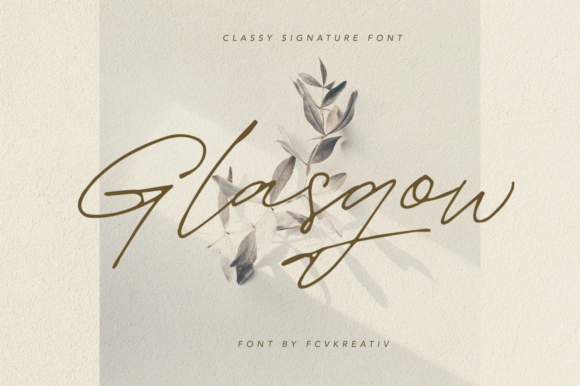
Glasgow: The Handwritten Font That Elevates Every Design
If you're looking for a font that adds a personal, artistic touch to your designs, Glasgow is the perfect choice. This delicate and flowing handwritten font has become a favorite among designers, creatives, and businesses who want to infuse their work with a sense of warmth and authenticity.
What Is Glasgow?
Glasgow is a script font that mimics the natural flow of handwriting. Its elegant curves and soft transitions make it ideal for projects where a human touch is desired. Unlike rigid typefaces, Glasgow feels more like a genuine signature or a note written by hand, which can make a big difference in how your message is perceived.
When to Use Glasgow
There are countless situations where Glasgow shines. One of the most common uses is on wedding invitations. Couples often look for a font that feels personal and meaningful, and Glasgow delivers just that. Whether it's the couple's names, the venue details, or a special quote, this font adds a romantic and refined feel.
Thank you cards are another area where Glasgow excels. A handwritten-style font can make a simple card feel more thoughtful and sincere. It’s also popular for quotes and greeting cards, where the visual appeal of the text plays a key role in the overall design.
Designs That Benefit From Glasgow
Glasgow isn’t limited to just weddings and cards. It works well for logos, especially for brands that want to convey creativity, elegance, or a personal connection. Think of a boutique, an artisanal business, or a creative studio—Glasgow can help those brands stand out with a unique and memorable identity.
Business cards are another great application. In a world dominated by clean, modern fonts, using Glasgow can make your contact information feel more approachable and human. It’s particularly effective for industries like fashion, art, or event planning, where style and personality matter.
Who Uses Glasgow?
Designers, artists, and small business owners often turn to Glasgow for its versatility. It’s also popular among bloggers and content creators who want to add a personal flair to their branding. For example, a lifestyle blogger might use Glasgow for headings on social media posts or website banners to create a more intimate and engaging look.
Event planners frequently use Glasgow for signage, programs, and promotional materials. It gives their events a more polished and coordinated appearance while maintaining a sense of warmth. Similarly, educators and tutors might use it for course outlines or lesson plans to make the material feel more inviting.
Practical Tips for Using Glasgow
Before using Glasgow, consider the context. While it’s beautiful, it may not be the best choice for long blocks of text. It works best for short phrases, headlines, or decorative elements. If you’re designing something that needs to be easily readable, like a menu or a brochure, pairing Glasgow with a sans-serif font can provide balance and clarity.
Another consideration is the platform or medium. If you’re using Glasgow digitally, make sure it’s properly embedded or licensed for web use. For print projects, check that the font is available in high resolution to maintain quality. Some users also find that adjusting the spacing or line height can improve readability without losing the font’s charm.
Strengths and Limitations
The main strength of Glasgow is its ability to add a personal and artistic touch. It’s perfect for projects that require a human element. However, it’s not always the best choice for formal or corporate settings. In those cases, a more traditional font might be more appropriate.
Additionally, while Glasgow is visually appealing, it may not be as legible as other fonts when used in large quantities. That’s why it’s important to use it strategically rather than as the primary text font in any design.
Where to Find Glasgow
Glasgow is available through various font marketplaces, including Adobe Fonts, Google Fonts, and commercial font stores. When choosing a version, look for one that includes a wide range of characters and glyphs to ensure flexibility across different languages and symbols.
Some versions of Glasgow may come with additional features, such as ligatures or alternate characters, which can enhance the design further. Always review the license terms to understand how you can use the font, especially if it’s for commercial purposes.
Final Thoughts
Glasgow is more than just a font—it’s a tool that can transform the way your designs look and feel. Whether you’re creating a wedding invitation, a logo, or a business card, this handwritten font offers a unique way to express creativity and personality. By understanding its strengths and limitations, you can use it effectively to elevate your work and connect with your audience on a more personal level.