Alverion: A Retro-Inspired Display Font for Creative Projects
Alverion is a display font that stands out for its retro aesthetic and versatile design. It offers a unique blend of classic charm and modern functionality, making it a popular choice among designers and creatives. The font’s distinct character and wide range of alternates provide flexibility for various applications, from branding to packaging. Understanding what makes Alverion special can help determine whether it’s the right fit for your next project.
What Makes Alverion Unique?
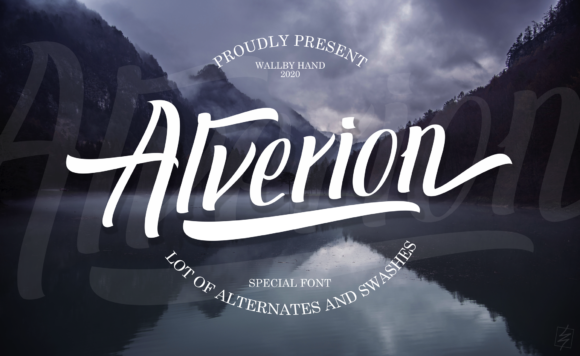
Alverion is designed with a retro style that evokes a sense of nostalgia while maintaining clarity and readability. Its letterforms are carefully crafted to balance artistic flair with practical use. The font features a variety of alternates, allowing users to customize the look of their text to suit different visual styles. These alternates include variations in stroke weight, ligatures, and decorative elements, which add depth and personality to the typography.
The retro inspiration behind Alverion sets it apart from more neutral or minimalist fonts. It draws influence from vintage signage, mid-century design, and hand-painted lettering. This gives it a distinctive feel that can enhance the visual identity of a brand or product. However, this style may not be suitable for all projects, particularly those requiring a more modern or neutral appearance.
Alverion in Different Contexts
When considering Alverion for a specific project, it’s important to evaluate how well it aligns with the intended use. For example, in logo design, the font’s retro characteristics can create a strong visual identity that resonates with audiences looking for authenticity and uniqueness. It works well for brands that want to convey a sense of history or craftsmanship.
In contrast, for business cards or professional documents, a more straightforward font might be preferable. While Alverion can still be used effectively, it may require careful pairing with other typefaces to ensure legibility and professionalism. Similarly, in packaging design, the font’s bold and stylized appearance can make a product stand out on the shelf, but it should be used in conjunction with other design elements to maintain balance.
Comparing Alverion to Similar Fonts
When exploring alternatives to Alverion, it’s helpful to consider fonts that share similar characteristics. For instance, fonts like Bebas Neue or Raleway offer a clean, modern look that contrasts with Alverion’s retro style. These fonts may be better suited for projects that require a more contemporary or minimalist approach.
Fonts with a similar vintage aesthetic, such as Playfair Display or Great Vibes, also provide alternative options for creative projects. While these fonts share some visual similarities with Alverion, they often have different strengths and limitations. Playfair Display, for example, is known for its elegant and sophisticated appearance, making it ideal for high-end branding or editorial work.
Each font has its own set of features and use cases. Alverion’s focus on retro design and alternates makes it a good choice for projects that benefit from a personalized and stylized look. However, if the goal is to achieve a more universal or timeless appearance, another font might be more appropriate.
Strengths and Limitations of Alverion
One of Alverion’s main strengths is its ability to add character and visual interest to a design. Its alternates allow for greater customization, enabling designers to create unique typographic compositions. This flexibility can be especially valuable in branding or marketing materials where differentiation is key.
However, the font’s stylistic elements can also be a limitation in certain contexts. For example, in digital interfaces or small text sizes, the intricacies of Alverion’s design may reduce readability. In such cases, a simpler font might be more effective. Additionally, the font’s retro style may not appeal to all audiences, particularly those who prefer a more modern or neutral aesthetic.
Another consideration is the availability of the font. While Alverion is widely available through design platforms and marketplaces, it’s important to check licensing terms to ensure it meets the needs of the project. Some fonts may have restrictions on commercial use or require additional fees for extended licenses.
When Alverion Is the Right Choice
Alverion is an excellent choice for projects that benefit from a vintage or handcrafted look. It works well for logos, packaging, and branding materials that aim to evoke a sense of nostalgia or tradition. For example, a boutique coffee shop looking to create a warm and inviting brand identity might find Alverion to be a fitting choice.
It’s also suitable for creative projects that require a personalized touch. Greeting cards, posters, and promotional materials can all benefit from Alverion’s stylized appearance. Its versatility allows it to adapt to different design themes, making it a valuable tool for designers seeking to add visual interest to their work.
When to Consider Other Options
If the goal is to achieve a more neutral or modern look, other fonts may be more appropriate. For instance, a tech startup aiming for a sleek and professional image might opt for a sans-serif font like Helvetica or Roboto. These fonts offer clarity and consistency, which are essential for digital interfaces and corporate branding.
For projects that require high levels of readability, such as websites or user interfaces, a simpler font is often preferred. Alverion’s intricate details may not translate well to smaller text sizes or low-resolution displays. In these cases, a font with a cleaner design would be more effective.
Ultimately, the decision to use Alverion depends on the specific needs of the project and the desired visual outcome. By understanding its strengths and limitations, designers can make informed choices about when and how to incorporate it into their work.
Conclusion
Alverion is a display font that offers a unique blend of retro style and versatility. Its distinct character and range of alternates make it a valuable tool for creative projects that require a personalized and stylized look. However, it’s important to consider its suitability for different contexts and compare it with other fonts to determine the best fit for the project at hand.
By evaluating the strengths and limitations of Alverion, designers can make informed decisions that align with their creative goals and audience preferences. Whether used for branding, packaging, or graphic design, Alverion has the potential to enhance the visual identity of a project when used appropriately.