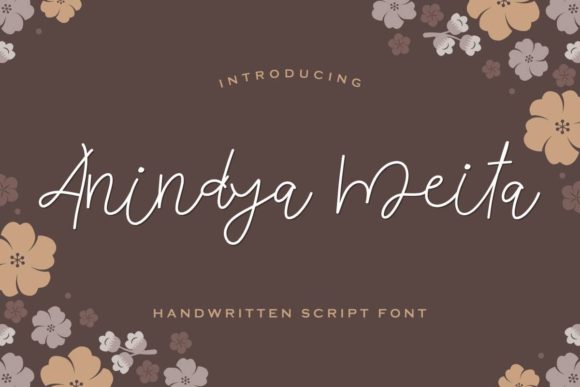
Anindya Meita: A Quirky Handwritten Font for Creative Projects
Anindya Meita is a unique and expressive handwritten font that has gained attention among designers, marketers, and creatives looking for a personal touch in their visual identity. With its distinct character and casual style, it offers an alternative to more traditional typefaces. This article explores what Anindya Meita is, when it might be a good choice, and how it compares to other fonts in the market.
What Is Anindya Meita?
Anindya Meita is a handwritten font that combines fluidity with a sense of spontaneity. It features irregular shapes and natural variations that mimic the look of real handwriting. Unlike standard fonts, which are often uniform and precise, this typeface introduces a human element, making it ideal for projects that aim to convey warmth, creativity, or a personal connection.
The font is available in various weights and styles, allowing users to adjust its appearance based on their design needs. Its versatility makes it suitable for both digital and print media, though it may require some adjustments for optimal readability in certain contexts.
Why Someone Might Be Interested in Anindya Meita
Designers and businesses often seek fonts that stand out and reflect their brand's personality. Anindya Meita appeals to those who want to add a distinctive flair to their work without resorting to overly complex or unconventional typefaces. Its handwritten nature can evoke a sense of authenticity, making it a popular choice for branding, stationery, and promotional materials.
For individuals or small businesses aiming to create a more intimate and approachable image, this font can serve as a powerful visual tool. It is particularly effective in designs that emphasize creativity, such as art galleries, independent shops, or personal projects.
When Anindya Meita Might Be a Strong Fit
Anindya Meita excels in situations where a personal, artistic touch is desired. It is well-suited for logos, business cards, and greeting cards that aim to communicate a sense of individuality. Its informal style can also enhance the visual appeal of social media graphics, posters, or packaging designs that target a younger or more creative audience.
In addition, it can be a great option for projects that require a handcrafted feel, such as wedding invitations, handmade product labels, or custom illustrations. Its ability to convey a sense of movement and energy makes it ideal for dynamic compositions.
Situations Where Alternatives May Be Worth Considering
While Anindya Meita offers a unique aesthetic, it may not be the best choice for all projects. In professional or formal settings, its irregular structure could reduce readability, especially at smaller sizes. For instance, using it in body text for websites or printed documents may compromise legibility and user experience.
Additionally, if the goal is to maintain a clean, modern, or minimalist look, alternatives like sans-serif or serif fonts may be more appropriate. These typefaces often provide better clarity and consistency, which are essential for long-form content or corporate branding.
Benefits and Considerations
One of the main benefits of Anindya Meita is its ability to add character and uniqueness to a design. It allows creators to express individuality without relying on generic fonts. Its flexibility in weight and style also gives users more control over the final output.
However, there are some tradeoffs to consider. The font’s irregularities may require additional design work to ensure consistency across different platforms and formats. Users should also be aware of licensing terms, as some fonts may have restrictions on commercial use or redistribution.
Practical Decision-Making Insights
When deciding whether to use Anindya Meita, it’s important to evaluate the specific goals of the project. If the primary objective is to create a memorable and visually engaging design, this font could be a strong candidate. However, if clarity and professionalism are the top priorities, it may be necessary to explore other options.
Testing the font in different contexts is also recommended. Previewing it in various sizes and layouts can help determine whether it meets the intended visual and functional requirements. Additionally, consulting with other designers or reviewing similar projects can provide valuable insights into its effectiveness.
Ultimately, the decision to use Anindya Meita should align with the overall vision of the project. Whether it’s for a personal endeavor, a creative business, or a marketing campaign, understanding its strengths and limitations will help ensure that it contributes positively to the final outcome.