Tabina: A Timeless Handwritten Font for Elegant Design
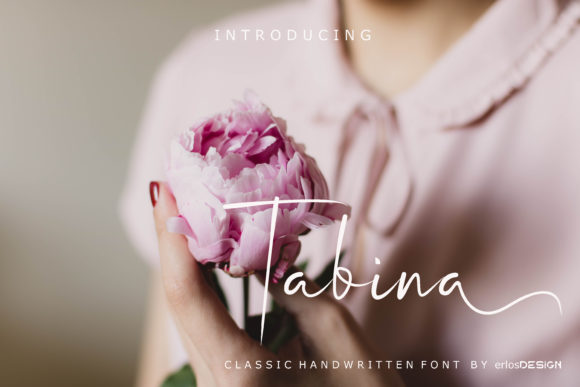
Tabina is a beautifully crafted handwritten font that brings a sense of warmth, romance, and authenticity to any design project. Its elegant script style makes it ideal for a wide range of applications, from wedding invitations to business cards, greeting cards, and logos. With its smooth lines and natural flow, Tabina adds a personal touch that stands out in both digital and print formats.
Designed for those who appreciate the beauty of handwritten typography, Tabina offers a unique blend of simplicity and sophistication. It’s particularly well-suited for projects that require a more intimate or artistic feel, such as quotes, thank you notes, and branding materials. The font’s versatility allows it to be used across different industries, making it a valuable addition to any designer’s toolkit.
Key Characteristics of Tabina
One of the standout features of Tabina is its PUA encoding, which gives users direct access to all glyphs and swashes without the need for complex character sets or special software. This makes it easy to use and highly customizable, allowing designers to create unique variations with minimal effort.
The font includes a varying baseline, which adds visual interest and prevents the text from looking too rigid. This subtle variation mimics the natural flow of handwriting, giving each letter a distinct personality. Additionally, Tabina features smooth, flowing lines that enhance readability while maintaining an elegant aesthetic.
Its gorgeous glyphs and stunning alternates provide a level of detail that elevates the overall look of any design. Whether used in a single line or as part of a larger composition, Tabina maintains a consistent and professional appearance. The font also supports multiple languages, making it a practical choice for international projects.
Practical Uses and Real-World Performance
Tabina shines in applications where a handwritten touch is desired. For example, wedding invitations often benefit from the font’s romantic and timeless appeal, making it a popular choice among couples looking for a personalized design. Similarly, thank you cards and greeting cards can take on a more heartfelt tone when using Tabina, as it conveys sincerity and care.
In the realm of branding, Tabina can be used for logos, business cards, and promotional materials. Its soft, flowing style works well for businesses that want to convey creativity, craftsmanship, or a boutique feel. Entrepreneurs and small business owners may find it especially useful for creating a cohesive brand identity that feels authentic and approachable.
For content creators, bloggers, and educators, Tabina can be used to add visual interest to social media posts, presentations, or printed materials. Its readability ensures that the message remains clear, even when used in smaller sizes or within complex layouts.
Quality, Usability, and Flexibility
Tabina is known for its high-quality design, with attention paid to every detail. The font maintains consistency across different sizes and styles, ensuring that it looks polished and professional in any context. Its reliability makes it a dependable choice for designers who need a font that performs well under various conditions.
Usability is another strong point. The PUA encoding simplifies access to all glyphs, allowing users to experiment with different characters and swashes without technical barriers. This flexibility is especially beneficial for designers who want to customize their work while maintaining a cohesive look.
Tabina’s adaptability extends to its use in both digital and print formats. It renders well on screens and prints clearly, making it suitable for a wide range of projects. Its long-term value lies in its ability to remain relevant and functional across different design trends and technologies.
Who Benefits Most from Tabina?
Tabina is particularly appealing to professionals in creative fields, such as graphic designers, illustrators, and marketers. It provides a versatile tool for adding a personal and artistic element to their work. Freelancers and hobbyists who work on custom projects may also find it useful for creating unique designs that stand out.
Entrepreneurs and small business owners who want to establish a distinctive brand identity can benefit from using Tabina in their marketing materials. Its elegant style helps convey a sense of professionalism and attention to detail, which can enhance customer perception and trust.
For educators and publishers, Tabina can be used to create visually engaging content, such as lesson plans, worksheets, or book covers. Its readability ensures that the text remains accessible, while its aesthetic appeal adds an extra layer of visual interest.
Considerations and Limitations
While Tabina is a powerful tool for many design projects, it may not be the best choice for every situation. Its flowing style works best in contexts where a handwritten feel is desired, but it may not be suitable for large blocks of text or formal documents that require a more structured appearance.
Designers should also consider the legibility of the font in different sizes. While it remains readable at standard sizes, very small text may lose some of its clarity. Testing the font in different scenarios can help ensure it meets the specific needs of a project.
Additionally, users should ensure they have the proper licensing for commercial use, as font usage rights can vary depending on the intended application. Understanding these requirements is essential for avoiding potential legal issues.
Final Thoughts on Tabina
Tabina is a font that combines beauty with functionality, offering a unique solution for designers who want to add a handwritten touch to their work. Its elegant style, ease of use, and versatility make it a valuable asset for a wide range of projects. Whether used for weddings, branding, or personal notes, Tabina delivers a level of quality and charm that enhances the overall presentation.
For those looking to elevate their design work with a touch of authenticity, Tabina is worth considering. Its strengths in aesthetics, usability, and adaptability make it a reliable choice for both personal and professional use. As with any design tool, the key is to understand its strengths and limitations to make the most of its potential.