Headbrush: A Timeless Font for Elegant Designs
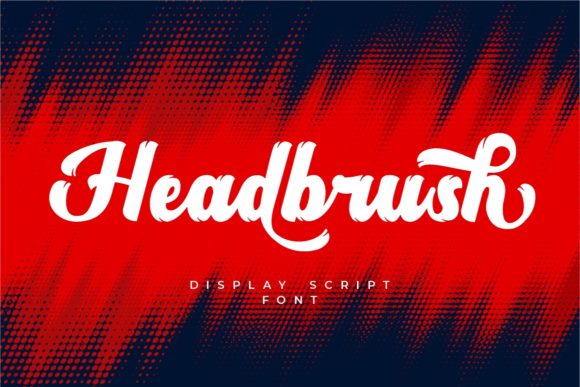
Headbrush is a beautifully crafted font that brings a sense of flowing elegance and timeless charm to any design project. Its graceful strokes and natural appearance make it an ideal choice for those looking to add a handwritten touch to their work. Whether you're designing wedding invitations, greeting cards, or business materials, Headbrush offers a versatile and expressive solution that stands out from the crowd.
One of the key features of Headbrush is its PUA encoding, which allows users to easily access all of the glyphs and swashes included in the font. This means you can take full advantage of its unique character set without worrying about compatibility issues. The font also boasts a varying baseline, smooth lines, and stunning alternates, making it a powerful tool for designers who want to create visually appealing and professional-looking designs.
Challenges in Finding the Right Handwritten Font
Many designers and creatives face the challenge of finding a handwritten font that feels natural yet polished. While there are countless fonts available, not all of them offer the same level of authenticity and flexibility as Headbrush. Some may lack the fluidity needed to mimic real handwriting, while others might be too limited in their character set or style options.
Additionally, users often encounter difficulties when trying to access special characters or alternate glyphs, especially if the font is not properly encoded. This can limit the creative potential of a design and make it harder to achieve the desired aesthetic. For those working on projects that require a high degree of customization, such as wedding invitations or branding materials, these limitations can be particularly frustrating.
How Headbrush Can Help
Headbrush addresses these challenges by offering a font that feels both authentic and easy to use. Its natural flow and elegant design make it perfect for adding a personal touch to any project. Whether you're creating a custom logo, designing a thank you card, or working on a quote poster, Headbrush provides the flexibility and visual appeal needed to elevate your work.
The font's PUA encoding ensures that all of its glyphs and swashes are readily accessible, allowing you to experiment with different styles and variations. This makes it easier to tailor your designs to specific needs, whether you're looking for a more formal look or something more casual and expressive.
Practical Applications of Headbrush
Headbrush is incredibly versatile and can be used in a wide range of design applications. One of the most popular uses is in wedding invitations, where its flowing script adds a sense of sophistication and romance. It also works well for thank you cards, greeting cards, and quotes, providing a warm and personal feel that resonates with recipients.
In addition to traditional stationery, Headbrush is an excellent choice for logos and business cards. Its clean lines and elegant appearance make it suitable for both modern and classic branding styles. Whether you're launching a new business or rebranding an existing one, Headbrush can help you create a distinctive and memorable identity.
For those working on digital projects, such as social media graphics or web content, Headbrush offers a way to add a handwritten element that feels more authentic than many standard fonts. This can be especially useful for brands that want to convey a sense of warmth and approachability.
Considerations When Using Headbrush
While Headbrush is a powerful tool, it's important to consider how it will fit into your overall design strategy. Depending on the project, you may need to adjust the size, spacing, or color to ensure that the font complements other elements of your design. It's also a good idea to test the font in different contexts to see how it performs in various formats and sizes.
Another consideration is the audience you're targeting. If your design is intended for a more formal or professional setting, you may want to pair Headbrush with a complementary typeface to balance its stylistic elements. On the other hand, for more casual or artistic projects, you can let Headbrush take center stage and let its natural beauty shine through.
Tailoring Headbrush to Your Needs
Users may approach Headbrush differently based on their specific goals and preferences. For example, a graphic designer working on a luxury brand might use Headbrush to create a subtle and refined look, while a wedding planner could use it to add a personal touch to invitations and signage. Each application highlights the font's adaptability and makes it a valuable asset for a wide range of creative professionals.
Some users may also choose to combine Headbrush with other fonts to create a more dynamic and layered design. By pairing it with a sans-serif or serif typeface, you can achieve a balanced composition that draws attention to key elements while maintaining visual harmony.
Conclusion
Headbrush is more than just a font—it's a tool that empowers designers to create elegant, expressive, and personalized work. With its flowing lines, stunning alternates, and easy access to glyphs, it offers a unique solution for anyone looking to add a handwritten touch to their designs. Whether you're working on a wedding invitation, a business card, or a digital project, Headbrush can help you achieve a professional and aesthetically pleasing result.
By understanding the needs and challenges associated with handwritten fonts, you can make the most of what Headbrush has to offer. Its versatility, ease of use, and timeless appeal make it an excellent choice for a wide range of design applications, ensuring that your work stands out in a meaningful and impactful way.