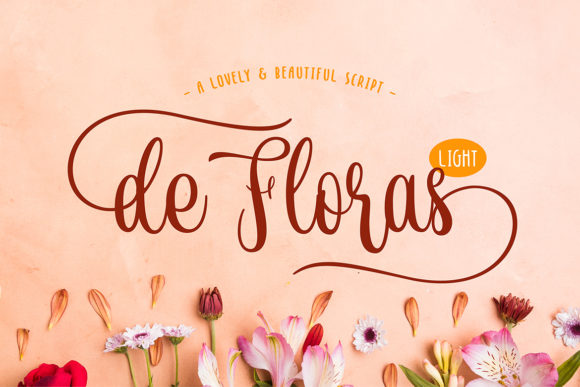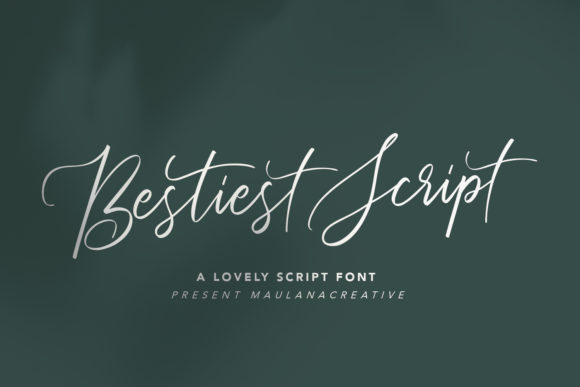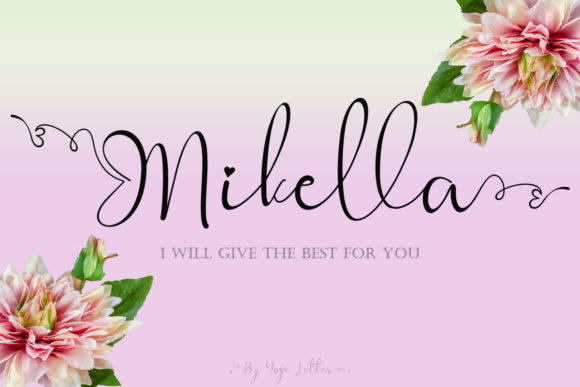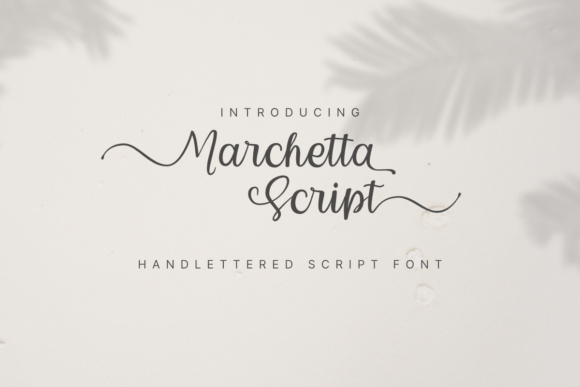
Dreaming: A Handwritten Script with Personality and Grace
Dreaming is more than just a font—it's a style that brings a touch of warmth, creativity, and individuality to any design. With its casual, handwritten script, Dreaming captures the essence of natural handwriting, making it ideal for projects that require a personal and expressive feel. Whether you're designing a logo, creating a wedding invitation, or adding a signature to a document, Dreaming offers a unique visual language that stands out from standard typefaces.
Designed with quick, fluid strokes, Dreaming mimics the way someone might write with a pen or pencil, giving it an authentic and organic look. This characteristic makes it especially appealing for those who want to convey a sense of approachability, artistry, or intimacy in their work. Unlike rigid, mechanical fonts, Dreaming feels more like a personal message than a formal text, which is why it's so popular among designers, artists, and small business owners looking to make a statement.
What Makes Dreaming Unique?
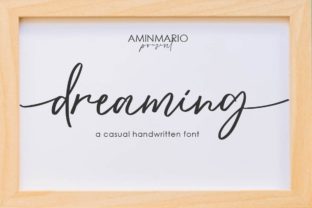
One of the standout features of Dreaming is its personality. Each letter flows into the next, creating a seamless and elegant rhythm that feels natural rather than forced. The curves and loops are soft and rounded, while the strokes vary in thickness, adding depth and character to the typography. This variation in weight gives Dreaming a dynamic quality that can be both subtle and striking depending on how it's used.
The font also has a casual vibe that works well in informal settings. It's not meant for long blocks of text, but rather for short phrases, headlines, or decorative elements where style matters. Because of this, Dreaming is often used in contexts where a human touch is desired, such as in branding, marketing materials, or personal projects.
Where Can Dreaming Be Used?
Dreaming is incredibly versatile, making it suitable for a wide range of applications. Here are some common uses:
- Logos and Branding: Dreaming adds a creative and distinctive flair to logos, helping brands stand out with a unique identity.
- Wedding Designs: From invitations to thank-you cards, Dreaming enhances the romantic and personal feel of wedding-related materials.
- Business Cards and Stationery: For professionals who want to make a memorable impression, Dreaming offers a fresh alternative to traditional fonts.
- Album Covers and Merchandise: Musicians and artists often use Dreaming to create eye-catching album covers, T-shirts, and other merchandise.
- Posters and Banners: Its bold yet graceful appearance makes it perfect for event promotions and signage.
Additionally, Dreaming is great for digital content, such as social media posts, website headers, and email newsletters. Its readability in smaller sizes makes it practical for web use, though it’s best suited for short, impactful text rather than lengthy paragraphs.
Who Benefits from Using Dreaming?
Dreaming appeals to a broad audience, including creators, entrepreneurs, and individuals looking for a distinctive visual style. Artists and designers often choose it for its artistic qualities, while small business owners may use it to add a personal touch to their branding. Educators and writers might find it useful for creating engaging content that feels more approachable and human.
For those working in the wedding industry, Dreaming is a go-to choice for crafting elegant and heartfelt designs. Its soft curves and flowing lines evoke a sense of romance and charm, making it ideal for invitations, place cards, and décor elements. Similarly, musicians and performers use it to create visually appealing promotional materials that reflect their artistic vision.
Strengths and Considerations
Dreaming’s main strength lies in its ability to convey emotion and personality through typography. Its natural, handcrafted look adds a layer of authenticity that many other fonts lack. This makes it particularly effective in projects where the goal is to connect with an audience on a personal level.
However, there are a few considerations to keep in mind. Due to its stylized nature, Dreaming may not be the best choice for all types of content. In professional or highly formal settings, it could come across as too casual or unstructured. Additionally, because of its intricate details, it may not render perfectly on all devices or screen sizes, especially when used in larger formats.
It’s also important to note that Dreaming is best used in moderation. Overusing it in a design can make the text feel cluttered or difficult to read. When paired with other fonts, it works best alongside simpler, more structured typefaces that provide balance and contrast.
Real-World Applications of Dreaming
Let’s take a look at some real-world examples of how Dreaming is being used today:
- Personal Branding: A freelance artist uses Dreaming for their portfolio website, giving it a warm and inviting aesthetic that reflects their creative personality.
- Event Invitations: A local café hosts a poetry night and uses Dreaming for the event poster, creating a cozy and artistic atmosphere.
- Product Packaging: A boutique clothing brand incorporates Dreaming into their taglines and labels, reinforcing their commitment to handmade and personalized fashion.
- Social Media Content: A lifestyle blogger uses Dreaming in their Instagram posts to add a whimsical and engaging visual element to their content.
These examples show how Dreaming can be adapted to different contexts while maintaining its core appeal. Its flexibility allows it to fit into various design ecosystems without losing its distinct character.
How to Evaluate if Dreaming Is Right for Your Project
If you're considering using Dreaming, start by asking yourself a few key questions:
- Does your project benefit from a personal, artistic, or emotional tone?
- Will the font enhance the message or theme you're trying to convey?
- Is the intended audience likely to respond positively to a handwritten style?
- Do you have enough space to use the font effectively without compromising readability?
Testing Dreaming in different scenarios can help you determine its suitability. Try using it in a mock-up or prototype to see how it looks in context. If it feels right and aligns with your goals, then it’s likely a good fit for your project.
In conclusion, Dreaming is a font that brings a sense of warmth, creativity, and individuality to any design. Whether you're a designer, artist, or business owner, it offers a unique way to express your vision and connect with your audience. With its natural flow and expressive style, Dreaming is more than just a typeface—it's a tool for storytelling and personal expression.