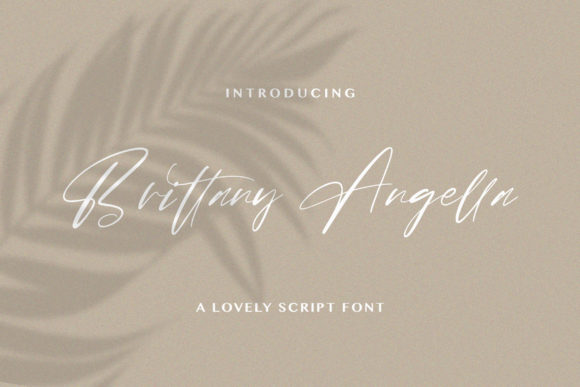
Black History: A Timeless and Elegant Expression of Heritage
Black History is more than a collection of dates and events; it is a rich tapestry of cultural, social, and political milestones that have shaped the world. This history is not only significant for its impact on society but also for its aesthetic value, particularly in design and visual communication. The Black History font, with its unique charm and elegance, has become a popular choice for those seeking a handwritten touch in various creative projects.
The distinctiveness of Black History lies in its ability to convey authenticity and tradition. Unlike many modern fonts that prioritize clarity and simplicity, Black History offers a more personal and expressive style. Its curves and flourishes evoke a sense of nostalgia, making it ideal for projects that aim to connect with historical or cultural themes.
Understanding the Appeal of Black History
What makes Black History so appealing is its versatility. It can be used in a wide range of applications, from wedding invitations to business cards, without losing its character. The font’s handwritten appearance adds a layer of warmth and individuality that other fonts may lack. This quality makes it particularly suitable for designs that require a personal or artistic touch.
Compared to other similar fonts, Black History stands out for its balance between readability and style. While some fonts may be too ornate or difficult to read, Black History maintains a level of legibility that allows it to be used in both formal and casual contexts. This adaptability is one of the reasons why it has gained popularity among designers and creatives.
Black History vs. Other Handwritten Styles
When considering alternatives to Black History, it’s important to understand the differences between various handwritten styles. For instance, scripts like Brush Script or Lucida Calligraphy offer a similar aesthetic but often come with different characteristics. Some may be more fluid or cursive, while others may have a more structured appearance.
Each of these fonts has its own strengths and limitations. For example, a script that is highly cursive might be less suitable for body text due to its complexity, whereas a more straightforward handwritten style could be easier to read. Black History, however, strikes a middle ground, offering a visually appealing yet functional option for a variety of design needs.
Another factor to consider is the context in which the font will be used. If the goal is to create a sense of nostalgia or tradition, Black History may be the best fit. However, if the project requires a more modern or minimalist approach, other fonts might be more appropriate. Understanding the purpose of the design can help determine whether Black History is the right choice.
Best Fit Situations for Black History
Black History is particularly well-suited for projects that emphasize heritage, storytelling, or personal expression. Wedding invitations, for example, often benefit from the elegance and charm of this font, as it can add a touch of sophistication while still maintaining a warm, inviting feel. Similarly, thank you cards and greeting cards that aim to convey appreciation or celebration can be enhanced by the use of Black History.
In the realm of logos and branding, Black History can be an effective tool for creating a unique identity. Businesses that want to convey a sense of tradition or craftsmanship may find that this font aligns well with their brand values. However, it’s important to consider how the font will appear in different sizes and formats, as its intricate details may not always translate well to smaller scales.
For business cards and other professional materials, Black History can add a distinctive flair without being overly distracting. It works well when used in moderation, such as for headings or key phrases, rather than for large blocks of text. This approach ensures that the font enhances the design without compromising readability.
Limitations and Tradeoffs
While Black History offers many benefits, it is not without its limitations. One potential drawback is its suitability for digital use. In some cases, the font may not render consistently across different devices or platforms, which can affect the overall appearance of the design. This issue is common with many custom or decorative fonts, so it’s important to test the font in the intended environment before finalizing a project.
Another consideration is the target audience. If the design is intended for a broad or diverse audience, the use of a highly stylized font like Black History may not be the most effective choice. In such cases, a more neutral or widely recognized font may be preferable to ensure that the message is communicated clearly and effectively.
Additionally, the availability of the Black History font can vary depending on the platform or software being used. Some design tools may include it as a default option, while others may require it to be purchased or downloaded separately. This can be a barrier for users who are not familiar with the process of obtaining and installing custom fonts.
When to Choose Black History and When to Consider Alternatives
Determining whether Black History is the right choice depends on the specific needs of the project. If the goal is to add a personal, elegant touch to a design, then Black History is likely a strong candidate. It excels in situations where the visual appeal of the text is as important as the message itself.
However, there are scenarios where other options may be more appropriate. For instance, if the design requires a high level of readability or consistency, a simpler font may be better suited to the task. Similarly, if the project has a modern or minimalistic theme, a clean and straightforward font could provide a more cohesive look.
Ultimately, the decision to use Black History should be based on a careful evaluation of the design’s goals, audience, and context. By understanding the strengths and limitations of this font, designers can make informed choices that enhance the overall effectiveness of their work.
Practical Examples and Real-World Applications
Consider a scenario where a couple is planning their wedding. They want to create invitations that reflect their heritage and personal style. By using Black History, they can achieve a sophisticated yet heartfelt look that resonates with their values. The font’s elegant appearance complements the significance of the event, adding a meaningful touch to the design.
Another example is a small business owner looking to create a logo that conveys a sense of tradition and authenticity. By incorporating Black History into the logo design, the business can establish a unique identity that sets it apart from competitors. This approach can be especially effective for businesses that cater to audiences who appreciate craftsmanship and heritage.
Even in more casual settings, such as a thank you card for a friend or a birthday greeting, Black History can add a personal and thoughtful element. Its charm and elegance make it a versatile choice for a wide range of applications, provided it is used appropriately.